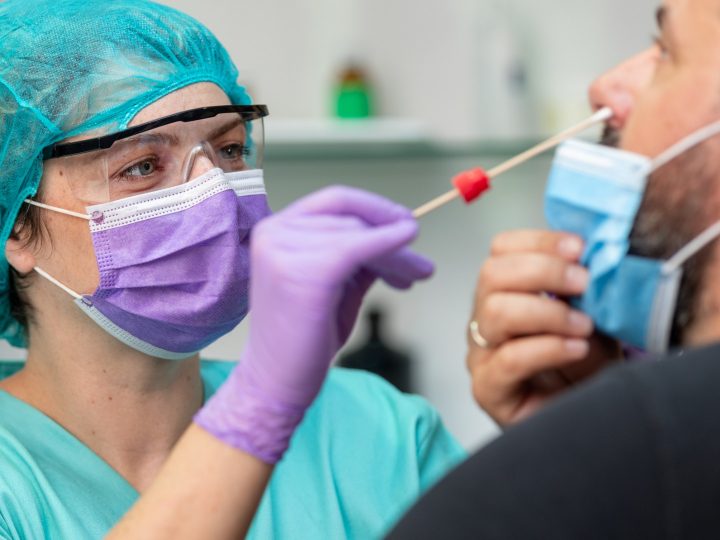
Beyond Cervical Cancer: HPV Prevention for Both Men and Women
The prevention and control of Human papillomavirus (HPV)-related diseases concerns both men and women. Global burden-of-disease studies estimate that in 2018, approximately 660,000 new cancer cases in women and 72,000 in men were attributable to HPV infection, underscoring the significant public health importance of HPV prevention and control[1]. However, in China’s previous HPV prevention practice, the linkage between vaccination, screening, diagnosis, treatment, and follow-up for women has remained insufficient, while the prevention of HPV-related diseases in men has been relatively weak. There is an urgent need to establish a more continuous and coordinated service system[2].
https://www.zlfzyj.com/en/article/doi/10.3971/j.issn.1000-8578.2026.26.0338
In September 2026, the Expert Consensus on Establishment and Management of Integrated Clinics for HPV Prevention and Control in Both Sexes in Maternal and Child Health Institutions (2026 Edition) (hereinafter referred to as the “Consensus”), formulated by the Gynecologic Oncology Prevention and Treatment Committee of the Chinese Maternal and Child Health Association, was published in Research of Oncology Prevention and Treatment, Vol. 53, No. 9. The Consensus proposes an integrated strategy of “joint prevention for both sexes, staged intervention”, and establishes 10 expert consensus statements on clinic construction, service pathways, and management mechanisms, providing practical guidance for Maternal and Child Health (MCH) institutions to improve the full-cycle HPV prevention and control chain.
From the perspective of disease control goals, prevention, screening, and treatment need to advance in a coordinated manner. In 2020, WHO released the Global Strategy to Accelerate the Elimination of Cervical Cancer as a Public Health Problem, explicitly proposing three pillars—vaccination, screening, and treatment—setting core targets for 2030, and advocating the inclusion of men in the comprehensive prevention system. The strategy proposed the “90–70–90” targets: 90% of girls fully vaccinated with HPV vaccine by age 15; 70% of women screened with a high-performance test at ages 35 and 45; and 90% of women identified with cervical disease receiving appropriate treatment or management[3]. Together, these targets emphasize that cervical cancer control must cover multiple stages.
In terms of service delivery, the connection between the various stages of prevention for women still needs strengthening. The Consensus points out that in China’s past efforts targeting women, vaccination, screening, diagnosis, treatment, and long-term follow-up have been scattered and fragmented, affecting the efficiency and continuity of prevention. Therefore, after standardized vaccination and screening, it is also necessary to implement result notification, triage of abnormal findings, clinical handover, and long-term follow-up, so that all services form a continuous management pathway.
At the same time, appropriate service entry points need to be established for men. The Consensus notes that past prevention efforts have long focused on women, and men’s awareness of HPV-related diseases and their active participation remain insufficient, creating a “gender gap” in the prevention chain. In 2022, WHO further updated its HPV vaccination recommendations, clearly designating males as a secondary target group for vaccination where feasible, and refining the implementation requirements for “joint prevention for both sexes”[4].
Based on these needs, the Consensus positions MCH institutions as an integrated service platform: while connecting the various stages of prevention for women, they expand health education, vaccination, and risk assessment for key populations among men, and establish standardized referral mechanisms. An integrated HPV prevention clinic for both men and women—combining “health education, vaccination, screening and triage, result management, follow-up intervention, and referral coordination”—is the key vehicle for the transformation from “single-point intervention” to “full-course management”, and from a “single-sex focus” to “coordination between both sexes”.

MCH institutions have long been responsible for cervical cancer screening, health education, and HPV vaccination, and have accumulated professional expertise, service networks, and public trust in women’s whole-life-cycle health services. Based on this functional positioning and specialist advantage, the Consensus proposes the integrated strategy of “joint prevention for both sexes, staged intervention”: providing women with a closed-loop, integrated service covering vaccination, screening, diagnosis, treatment, and follow-up; and focusing on men through health education, vaccination, and risk assessment for key populations, with standardized referral of those with abnormal screening results to specialist departments such as colorectal surgery, urology, and dermatology.
2.1 Services for women: a closed loop of vaccination, screening, diagnosis, treatment, and follow-up.
For women, the Consensus emphasizes an integrated closed-loop service covering vaccination, screening, diagnosis, treatment, and full-course follow-up. The key lies in building linkage mechanisms between the stages: eligible individuals are guided through health counseling to receive vaccination and standardized screening; screening results are managed by risk stratification, with colposcopy and necessary pathological examination arranged for those with indications; treatment is carried out according to the diagnosis, and long-term post-treatment follow-up is implemented.
This service pathway requires that test results enter the subsequent management process. From result notification and triage of abnormalities to clinical handover and follow-up tracking, responsibilities must be defined at every stage so that women receive continuous prevention services.
2.2 Services for men: prevention and risk assessment as the core, connected to specialist care.
For men, the Consensus designates health education, vaccination, and risk assessment for key populations as the core services. Counseling and science communication are used to raise men’s awareness of their own HPV-related disease risks, and standardized vaccination is provided to those eligible; targeted assessment is conducted for populations with clear high-risk characteristics, and testing is performed according to standard procedures once high-risk characteristics or personal willingness are confirmed. For those requiring further diagnosis and treatment, referral and collaboration mechanisms are established with specialist departments such as colorectal surgery, urology, and dermatology, or with general hospitals.
The scope of services for men must be clearly defined: in the clinic for HPV-related diseases in men, HPV DNA testing is limited strictly to scientific research exploration and targeted assessment of high-risk populations. Routine HPV screening for the general healthy male population is strictly prohibited, and such testing is not included in mass physical examination packages. The exploratory nature, applicable conditions, and result management requirements of male testing will be explained in detail in subsequent interpretations of the recommendations.
Therefore, implementing “joint prevention for both sexes” requires setting up separate pathways based on the service needs of both sexes and the available evidence: for women, the emphasis is on full-course closed-loop management; for men, on prevention, assessment of key populations, and standardized referral. Connecting these services through an integrated clinic both leverages the existing advantages of MCH institutions and clarifies the responsibilities of different clinics and collaborating specialties, providing guidance for subsequent construction and management requirements.

This Consensus adopts the evidence grading framework of the Chinese Society of Clinical Oncology (CSCO) guidelines. Recommendation levels and their significance are shown in Table 1.
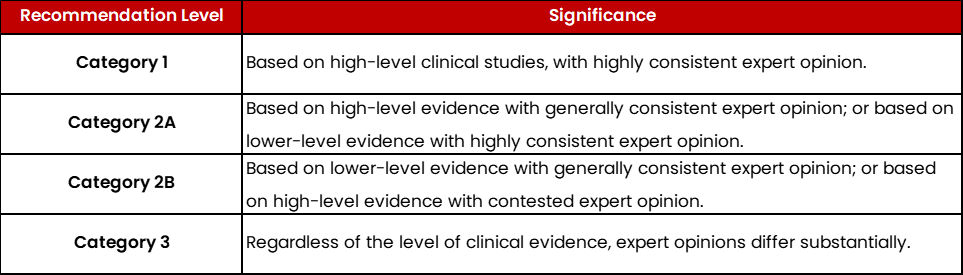
Table 1 Recommendation levels and their significance
3.1 Construction standards: defining institutional requirements and service entry points
- Expert Consensus 1: Construction of the integrated clinic
HPV integrated prevention clinics for both men and women are recommended to be established at MCH institutions at or above the county level, with proper qualifications, standardized structure, and compliant facilities (Category 1).
The Consensus specifies institutional qualifications and division of responsibilities, setting up a clinical service group, a health education and training group, and a quality control and information management group to jointly carry out prevention services (Figure 1). Facility construction emphasizes functional integration and resource sharing, making coordinated use of existing space while safeguarding privacy; the HPV vaccination clinic should be set up independently because it involves requirements for the cold chain, observation, and emergency facilities.
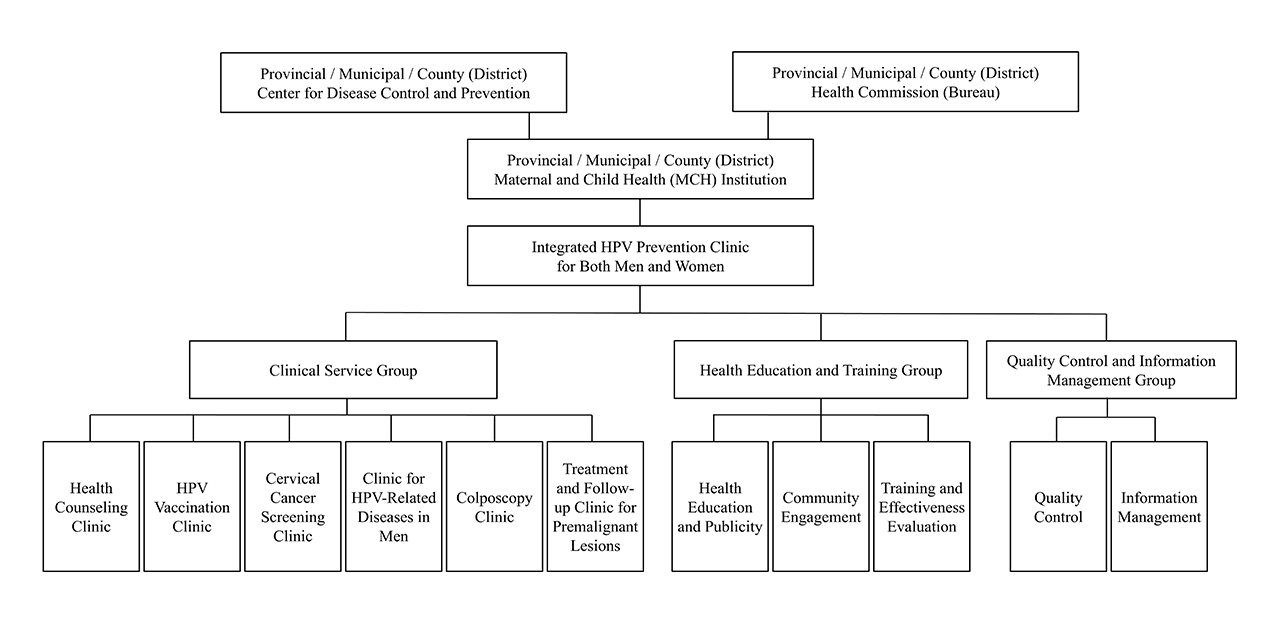
Figure 1 Organizational framework of integrated clinics for HPV prevention and control in both sexes
- Expert Consensus 2: Health counseling clinic
The health counseling clinic is recommended to be staffed with qualified full-time personnel, standardized space, and necessary equipment, providing one-on-one counseling across all dimensions of HPV with closed-loop referral (Category 1).
Health counseling is the starting point of the integrated HPV clinic for both men and women. Through health history and needs assessment and one-on-one communication, counselors answer questions about vaccination, screening, and infection management, and guide individuals who need further vaccination, screening, or referral to the corresponding clinics, forming closed-loop management. Standardized key points for addressing vaccine hesitancy are shown in Table 3.
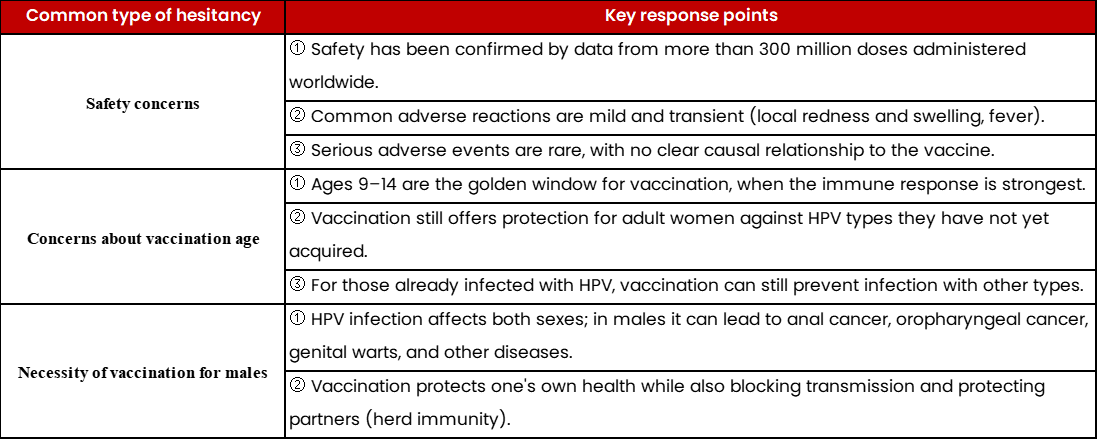
Table 3 Key points for standardized responses to HPV vaccine hesitancy (for counselors)
- Expert Consensus 3: HPV vaccination clinic
The HPV vaccination clinic is recommended to be built in accordance with regulations, with certified personnel and compliant zoning, providing standardized whole-process vaccination management for eligible males and females as well as high-risk populations (Category 1).
The vaccination clinic should fulfill requirements for qualifications, personnel, zoning, the cold chain, and emergency care, and complete pre-vaccination assessment, informed consent, vaccination, observation, and record-keeping in a standardized manner. Vaccination age, target groups, and schedules must comply with the valid package insert of the selected vaccine and current requirements, with proper scheduling of subsequent doses.
- Vaccination recommendations for females:9–26 years recommended as a priority, with girls aged 9–14 as the key group (Category 1); 27–45 years recommended for those with access (Category 2A); high-risk females recommended (Category 2A–2B).
- Vaccination recommendations for males:9–26 years recommended (Category 2A); priority recommendation for men who have sex with men (MSM), immunocompromised individuals, partners of persons with HPV-related lesions, and other high-risk males (Category 2A). Other high-risk males include those with sexual debut at ≤18 years, ≥2 sexual partners in the past 12 months, unprotected sex, or a history of other sexually transmitted diseases.
3.2 Service pathways: full-course closed-loop management for women; risk assessment and standardized referral for men
- Expert Consensus 4: Cervical cancer screening clinic
The cervical cancer screening clinic is recommended to be built in accordance with regulations, with qualified personnel and equipment, providing standardized screening, result management, and whole-process follow-up for eligible and high-risk women (Category 2A).
According to the Chinese Guidelines for Cervical Cancer Screening (I)[5], screening starts at age 25 for women who are sexually active; women aged 25–64 should undergo high-risk HPV nucleic acid testing every 5 years (preferred), or combined screening every 5 years, or cytology every 3 years. Those positive for HPV 16/18 are referred for colposcopy; those positive for other high-risk HPV types are triaged based on cytology. Individuals with abnormal results are managed by risk level according to the guidelines; all abnormal results are documented, and dedicated staff are assigned to track follow-up.
- Expert Consensus 5: Clinic for HPV-related diseases in men
A clinic for HPV-related diseases in men is recommended, focusing on risk assessment, screening of key populations, and standardized referral — with testing strictly limited to high-risk individuals, strengthened informed consent and result management, a green referral channel with full documentation and follow-up, and a partner linkage mechanism between the cervical clinic and the men’s clinic (Category 2A).
Services for men are based on risk assessment of key populations (Appendix A). At the current stage, HPV nucleic acid testing for men is exploratory in nature and must meet applicable conditions with full informed consent; it is not a routine screening test for the general healthy male population or a mass physical examination item, and invasive examination or treatment must never be initiated on the basis of a positive result alone.
Partner linkage follows the principles of voluntariness and privacy protection: physicians provide advice to the woman herself, who decides whether to pass the information on; institutions must not contact partners directly, and the medical records of both parties must not be linked or accessed without written authorization.
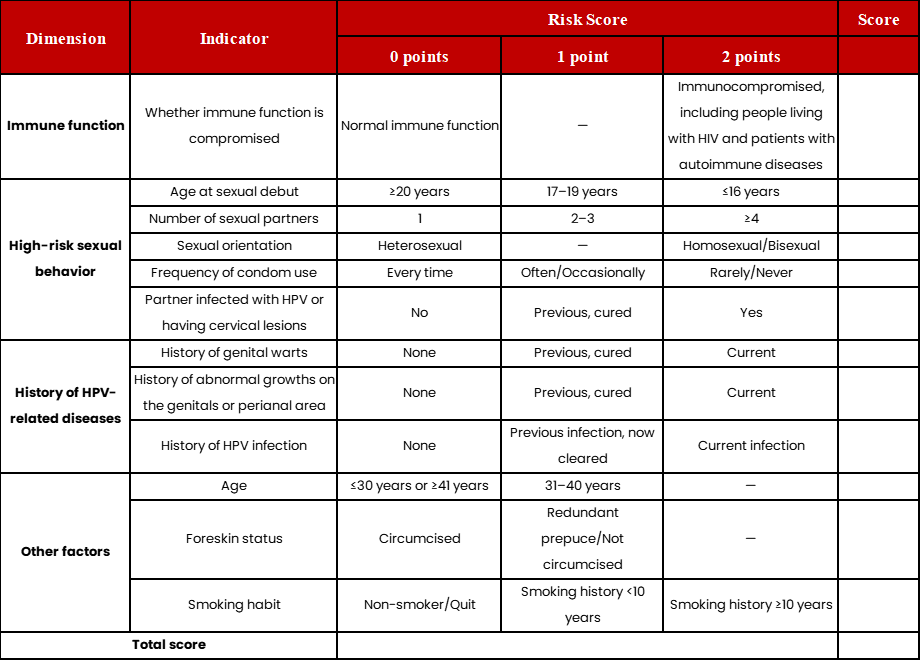
Appendix A: Risk Assessment Form for HPV Infection in Males
Important note: This form is an assessment tool developed by the Consensus writing group (Recommendation category: Category 2B). Risk stratification criteria: low risk, 0–3 points; moderate risk, 4–8 points; high risk, ≥9 points.
Special statement: The results of this risk assessment are for risk stratification reference only and must not be used alone as a basis for diagnosis or screening. Local validation remains insufficient; its use is limited to research purposes, and clinical judgment should integrate multiple indicators.
- Expert Consensus 6: Colposcopy clinic
The colposcopy clinic is recommended to have qualified personnel, standardized space and zoning, and complete equipment, performing colposcopy, image reporting, and targeted biopsy, with a closed loop of pathological result tracking and referral handover. (Category 2A).
The colposcopy clinic serves individuals with indications for further evaluation, identifying suspicious lesions and guiding biopsy. In addition to standardized examination and reporting, it is essential to track pathological results, notify the individual, and arrange subsequent management, so that individuals with abnormal screening results promptly enter the appropriate diagnostic, treatment, or follow-up pathway.
- Expert Consensus 7: Treatment clinic for premalignant lesions
The treatment clinic for premalignant lesions is recommended to have proper qualifications, space, and equipment, performing ablative and excisional treatments in a standardized manner, with strict long-term post-treatment follow-up and whole-course management (Category 2A).
Ablative therapy is applicable when the transformation zone and lesions are fully visible, when there is no histologically confirmed high-grade intraepithelial lesion in the endocervical canal (a negative ECC is required), when all lesions fall within the treatable range, and when pathology confirms HSIL with invasion excluded. Conization is indicated for histologically confirmed premalignant lesions on colposcopy-directed biopsy (including HSIL and AIS), recurrent/persistent HSIL, AIS, stage IA1 squamous cell carcinoma, positive ECC, unsatisfactory colposcopy, or lesions extending into the endocervical canal. After treatment, regular and effective follow-up and monitoring are mandatory; HPV-based testing is the primary follow-up method after cervical excisional treatment; and follow-up protocols for HSIL, AIS, and different treatment scenarios should be implemented respectively.
3.3. Management mechanisms: ensuring service continuity and continuous improvement
- Expert Consensus 8: Health education and training
Health education is recommended to be integrated into the entire HPV prevention service process to improve public health literacy and self-care awareness, with a focus on men’s awareness of HPV prevention, supported by multi-channel communication, community engagement, personnel training, and effectiveness evaluation (Category 2A).
Tiered health education should be embedded in counseling, vaccination, screening, and follow-up to raise public awareness and service participation, with particular emphasis on strengthening men’s understanding of HPV prevention. In parallel, professional and communication training should be provided for medical staff to keep educational content scientifically consistent, and educational approaches should be adjusted based on participation and feedback.
- Expert Consensus 9: Integrated information platform
An integrated information platform for HPV prevention is recommended to enable digital whole-process management, data interoperability, and security and privacy protection (Category 2A).
The platform integrates vaccination, screening, diagnosis and treatment, and follow-up records, supporting result delivery, abnormal-result alerts, and follow-up task tracking, thereby reducing service discontinuities. Data sharing must implement requirements for access control, encryption, and de-identification, and partner information linkage still requires legal authorization.
- Expert Consensus 10: Quality management and evaluation
A sound quality management and evaluation system for HPV prevention is recommended, implementing indicator monitoring, data feedback, and continuous improvement through the PDCA cycle (Category 2A).
Indicators such as the notification rate for abnormal results, the referral completion rate, the follow-up completion rate, and the loss-to-follow-up rate are used to identify problems in service linkage. Responsibilities are clarified, rectification is fed back and implemented, and effectiveness is evaluated through the Plan-Do-Check-Act (PDCA) cycle to continuously improve clinic operations.

To meet HPV testing needs, Sansure Biotech’s official product catalog lists 8 HPV detection products, covering genotyping, non-typing, and partial genotyping assays, with supporting automated testing and information management solutions for testing in different scenarios. Among them:
- HPV13+2 Human Papillomavirus DNA Diagnostic Kit (PCR-Fluorescence Probing)has obtained CE-IVDR marks. It identifies HPV16 and HPV18 while concurrently detecting the other high risk types (31, 33, 35, 39, 45, 51, 52, 53, 56, 58, 59, 66, and 68)
- HPV G23 Human Papillomavirus DNA (23 genotypes) Diagnostic Kit (PCR-Fluorescence Probing)is used for in vitro qualitative detection and genotype differentiation of 23 HPV types—6, 11, 16, 18, 26, 31, 33, 35, 39, 42, 43, 45, 51, 52, 53, 56, 58, 59, 66, 68, 73, 81, and 82—in cervical exfoliated epithelial cell samples from women.
The Consensus proposes the integrated strategy of “joint prevention for both sexes, staged intervention”, and the integrated clinic is the key vehicle for the transformation from “single-point intervention” to “full-course management”, and from a “single-sex focus” to “coordination between both sexes”. For the elimination of cervical cancer, vaccination, screening, and treatment are the three pillars; a complete prevention chain also requires full-course closed-loop management for women, as well as the connection of health education, vaccination, risk assessment, and standardized referral for men. The integrated clinic is the key vehicle for translating “joint prevention for both sexes” into standardized service pathways and collaboration mechanisms.
References
[1] de Martel C, Georges D, Bray F, et al. Global burden of cancer attributable to infections in 2018: a worldwide incidence analysis[J]. Lancet Glob Health, 2020, 8(2): e180-e190.
[2] Gynecologic Oncology Prevention and Treatment Committee, Chinese Maternal and Child Health Association. the Expert consensus on the establishment and management of integrated clinics for HPV prevention and control in both sexes in maternal and child health institutions (2026 edition)[J]. Research of Oncology Prevention and Treatment, 2026, 53(9): 651-671.
[3] World Health Organization. Global strategy to accelerate the elimination of cervical cancer as a public health problem[R/OL]. (2020-11-17). https://www.who.int/publications/i/item/9789240014107.
[4] World Health Organization. Human papillomavirus vaccines: WHO position paper, December 2022[J]. Wkly Epidemiol Rec, 2022, 97(50): 645-672.
[5] Colposcopy and Cervical Pathology Branch, Chinese Association of Eugenics Science; Gynecologic Oncology Group, Chinese Medical Association; Gynecologic Oncology Committee, Chinese Anti-Cancer Association, et al. Chinese guidelines for cervical cancer screening (I)[J]. Chin J Clin Obstet Gynecol, 2023, 24(4): 437-442.